Growing up, my dad had a steadfast belief that his daughters could do no wrong. It was a conviction rooted in something deeper than just fatherly love—it was tied to his own childhood, shadowed by memories of a father who turned violent when drunk. My dad once shared how his father would beat his mother, sending the kids out of the house to shield them from the brutality. Looking back, I think Dad’s fierce protection of his daughters was his way of rewriting that painful history, of shielding his own mother’s memory by guarding us. But sometimes, that protection came at a cost, and I found myself caught in its crosshairs.
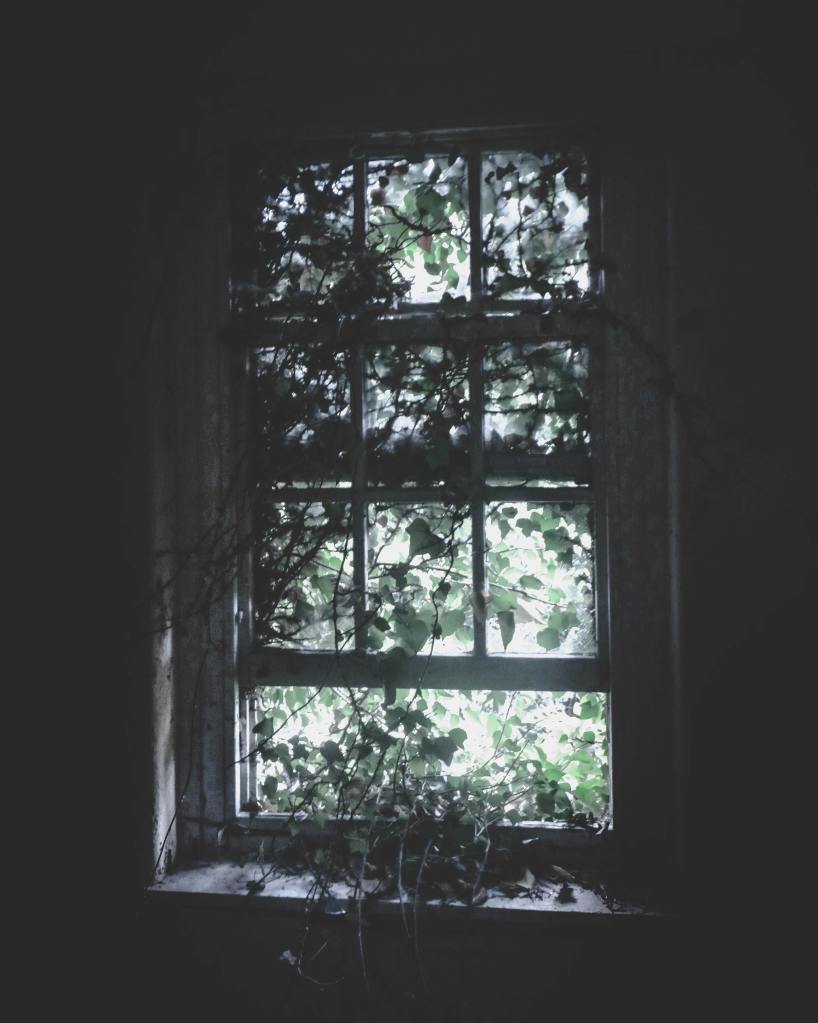
One incident stands out, a moment that still stings when I think about it. My older female biological sibling, Frances Ligas Tobia, lost her keys one day and, in a moment of desperation, broke my bedroom window to get into the house. I wasn’t home when it happened, but I came back to find the jagged glass and a mess that pointed to a hasty break-in. When Dad discovered the damage, his reaction wasn’t what I expected. Instead of asking questions or piecing together the truth, he turned to me, his eyes sharp with accusation. He blamed me for the broken window, assuming I’d been careless or reckless.
I was stunned. I tried to explain that it wasn’t me, that Frances had admitted to breaking the window after losing her keys. But Dad wasn’t hearing it. In his mind, Frances was the fragile one, the daughter who needed shielding. He doubled down, shifting the narrative. He said I should have taken the blame to protect my sister. “She’s your little sister,” he insisted, as if that settled it. I pointed out the obvious—Frances wasn’t my little sister; she was older than me. Dad brushed it off with a wave of his hand. “She’s still smaller than you,” he said, as if her physical size justified his logic. Then came the final blow: “Besides, you can afford to pay for the window.”
I couldn’t believe it. Not only was I being blamed for something I didn’t do, but now I was expected to foot the bill because I was somehow more “capable” of handling the consequences? It felt like a betrayal, a moment where Dad’s unwavering loyalty to his daughters twisted into something unfair. I refused to pay. I stood my ground, not out of stubbornness, but because I couldn’t let the truth be buried under his skewed sense of protection.
That day taught me something about family dynamics—how love and loyalty can sometimes blind us to fairness. Dad’s need to protect Frances, and maybe to atone for his own mother’s suffering, meant I was cast as the scapegoat. It wasn’t just about a broken window; it was about the weight of expectations, the way family roles can trap us in unfair corners. I don’t resent my sister for what happened—she was just trying to get into the house. But I do wish Dad could have seen the truth, that his need to shield one daughter didn’t have to come at the expense of another.
In the end, the window got fixed, but the crack in our family trust lingered. It’s a reminder that even the fiercest love can cast shadows, and sometimes, standing up for what’s right means refusing to carry someone else’s blame.
 Open Letters
Leave a comment